

VOWST used following antibiotics was studied in a rigorous
phase 3 clinical development program1
The 1-2 punch of an antibiotic followed by VOWST delivered superior, durable efficacy through 24 weeks1-3
In a phase 3, randomized, placebo-controlled trial, VOWST resulted in
statistically significant
reduction of C.
diffa infection recurrence at both 8b and 24 weeksc vs
antibiotics alone.1-3
VOWST is indicated to prevent the recurrence of Clostridioides
difficile infection (CDI) in individuals 18
years of age
and older following antibacterial treatment for recurrent CDI (rCDI).2
Percentage of participants without C. diff infection recurrence at 8 weeksb and 24 weeks1-3,c

The 1-2 gut punch of VOWST following antibiotics can increase your patient’s odds of beating another recurrence1-3
- aClostridioides difficile (C. diff) infection.
- b Calculated by the rate of C. diff recurrence, which was significantly lower in VOWST recipients compared with those receiving antibiotics alone—12% vs 40%, respectively—a 0.32 relative risk (95% CI, 0.18, 0.58; P <0.001).1
- cRelative risk of 0.46 (95% CI, 0.30, 0.73; P <0.001).3
Primary Endpoint
Recurrence at 8 weeks2,3,c
Secondary Endpoints
Adverse events within 24 weeks and recurrence at 4, 12, and 24 weeks2,3,d
Recurrence confirmed with C. diffe toxin test and ≥3 unformed bowel movements per day for 2+ consecutive days.2
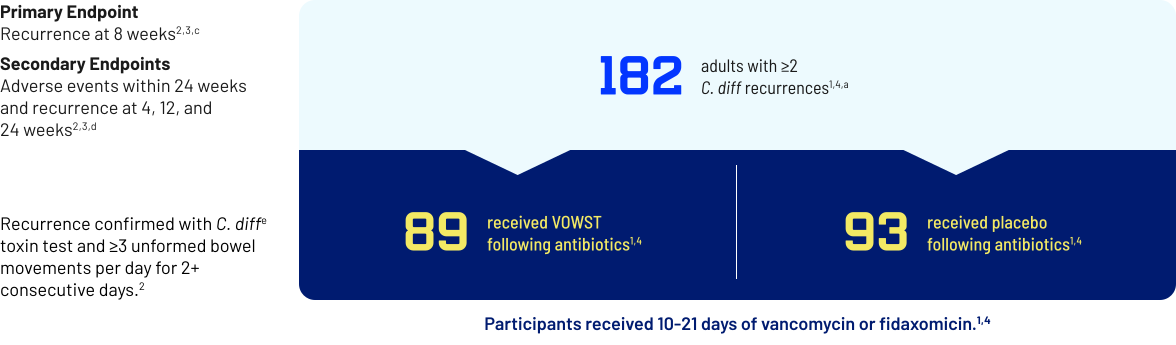
Participants received 10-21 days of vancomycin or fidaxomicin.1,4
- aInclusive of current episode.4
- bEfficacy endpoints based on intent-to-treat population.
- cRecurrence was defined as ≥3 unformed stools per day for 2 consecutive days and continued diarrhea until antibiotic treatment and a positive toxin assay.1
- dParticipants were stratified by antibiotic received (vancomycin or fidaxomicin) and age (<65 or ≥65 years) and randomized 1:1 to receive VOWST or placebo.1
- eDue to logistics of drug or placebo delivery at some trial sites, 6 participants skipped their original randomization assignment based on available site supply. However, these participants were analyzed according to their intended assignment. Safety was assessed in the as-treated population.1
Demographic and Clinical Characteristics of the Participants at Baseline (ITT Population)1,5
Baseline characteristics were balanced between groups, although women represented a larger percentage of participants in the VOWST group compared with placebo.
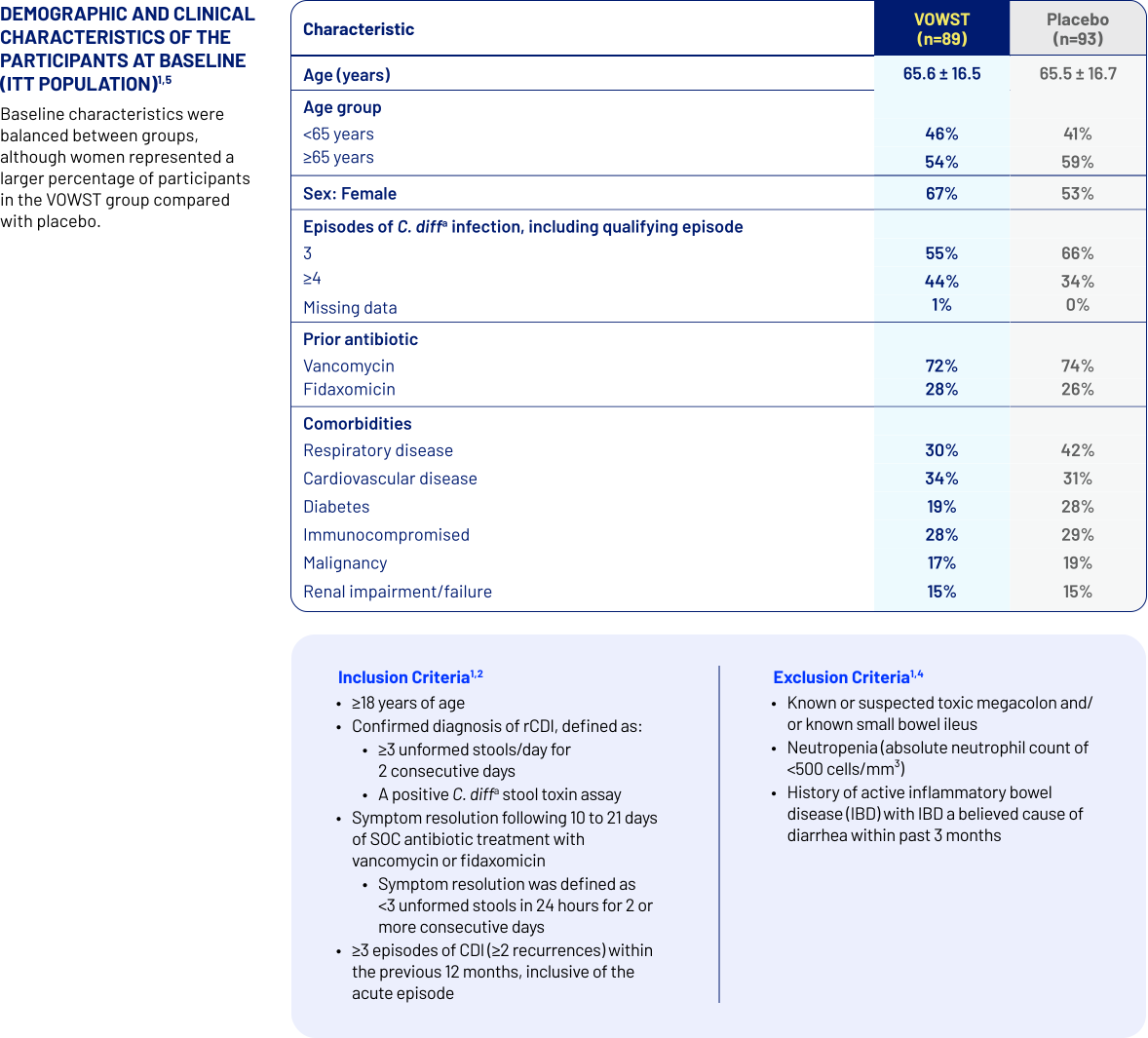
Inclusion Criteria1,2
- ≥18 years of age
- Confirmed diagnosis of rCDI, defined as:
- ≥3 unformed stools/day for 2 consecutive days
- A positive C. diff stool toxin assay
- Symptom resolution following 10 to 21 days of SOC antibiotic treatment with vancomycin or fidaxomicin
- Symptom resolution was defined as <3 unformed stools in 24 hours for 2 or more consecutive days
- ≥3 episodes of CDI (≥2 recurrences) within the previous 12 months, inclusive of the acute episode
Exclusion Criteria1,4
- Known or suspected toxic megacolon and/or known small bowel ileus
- Neutropenia (absolute neutrophil count of <500 cells/mm3)
- History of active inflammatory bowel disease (IBD) with IBD a believed cause of diarrhea within past 3 months
- a Clostridioides difficile (C. diff) infection.
- CDI, C. diff infection; ITT, intent to treat; rCDI, recurrent C. diff infection; SOC, standard of care.
VOWST was used as early as first CDI recurrence6
Percentage of participants without C.
diffa recurrence at 8 weeks, assessed by number of prior
recurrences.
In the overall study population, 91% were
recurrence free at 8 weeks (N=263).
At 24 weeks, 86% of participants remained recurrence free
This open-label, single-arm trial evaluated the safety and tolerability of VOWST up to 24 weeks.6
Limitations: Open-label, single-arm trial design yields descriptive results limiting interpretations of efficacy and safety without a comparator.
- aClostridioides difficile (C. diff) infection.
Primary Endpoint
Adverse events within 24 weeks
Secondary Endpoints
Recurrence at 4, 8, 12, and 24 weeks
Recurrence confirmed with C. diffb toxin test or PCR and ≥3 unformed bowel movements per day for 2+ consecutive days.c
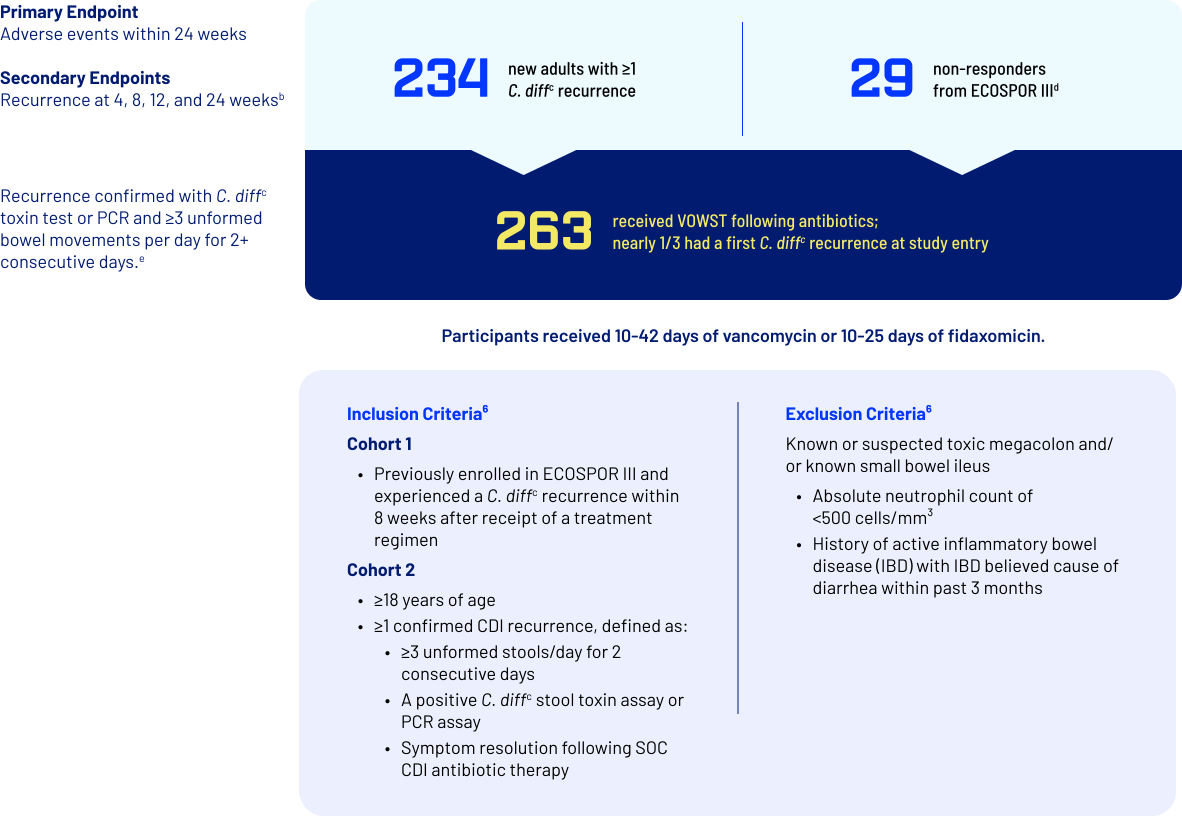
Inclusion Criteria6
Cohort 1
- Previously enrolled in ECOSPOR III and experienced a C. diffb recurrence within 8 weeks after receipt of a treatment regimen
Cohort 2
- ≥18 years of age
- ≥1 confirmed CDI recurrence, defined as:
- ≥3 unformed stools/day for 2 consecutive days
- A positive C. diff stool toxin assay or PCR assay
- Symptom resolution following SOC CDI antibiotic therapy
Exclusion Criteria6
- Known or suspected toxic megacolon and/or known small bowel ileus
- Absolute neutrophil count of <500 cells/mm3
- History of active inflammatory bowel disease (IBD) with IBD believed cause of diarrhea within past 3 months
- aInclusive of current episode.6
- bParticipants who were lost to follow-up, terminated the study prematurely, or died without a recorded recurrence before the end of the time interval were assumed to have had a recurrence.6
- cClostridioides difficile (C. diff) infection.6
- d25 placebo recipients and 4 VOWST recipients discontinued ECOSPOR III and enrolled in ECOSPOR IV.6
- eToxin or PCR testing was utilized to determine initial eligibility. Recurrences while on study were confirmed by toxin testing to ensure study integrity.6
- PCR, polymerase chain reaction; rCDI, recurrent C. diff infection; SOC, standard of care.
In phase 3 clinical trials, VOWST taken after antibiotics
was proven to be generally well tolerated2,6


ABX, antibiotics.
References: 1. Feuerstadt P, Louie TJ, Lashner B, et al. SER-109, an oral microbiome therapy for recurrent Clostridioides difficile infection. N Engl J Med. 2022;386(3):220-229. doi:10.1056/NEJMoa2106516 2. VOWST [Prescribing Information]. Bridgewater, NJ: Aimmune Therapeutics, Inc. 02/2025. 3. Cohen SH, Louie TJ, Sims M, et al. Extended follow-up of microbiome therapeutic SER-109 through 24 weeks for recurrent Clostridioides difficile infection in a randomized clinical trial. JAMA. 2022;328(20):2062-2064. doi:10.1001/jama.2022.16476 4. Feuerstadt P, Louie TJ, Lashner B, et al. SER-109, an oral microbiome therapy for recurrent Clostridioides difficile infection. N Engl J Med. 2022;386(3):(suppl). doi:10.1056/NEJMoa2106516 5. Data on File. Seres Therapeutics and Nestlé Health Science; 2023. 6. Sims MD, Khanna S, Feuerstadt P, et al; ECOSPOR IV Investigators. Safety and tolerability of SER-109 as an investigational microbiome therapeutic in adults with recurrent Clostridioides difficile infection: a phase 3, open-label, single-arm trial. JAMA Netw Open. 2023;6(2):e2255758. doi:10.1001/jamanetworkopen.2022.55758